What Does a Level 3 DOT Inspection Consist Of?
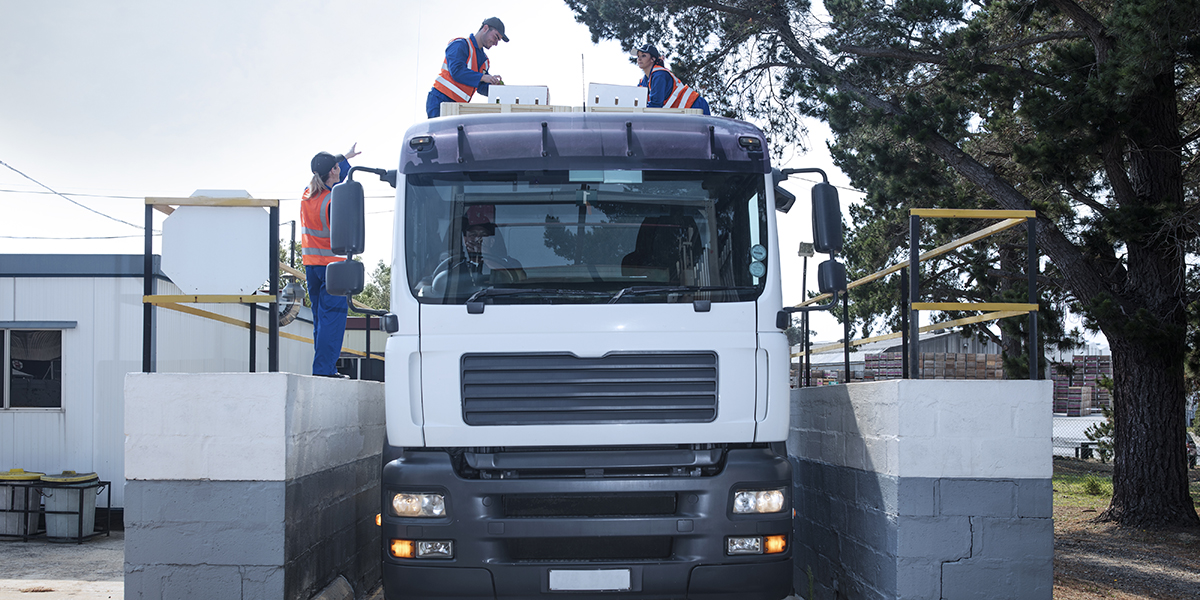
After meeting all CDL requirements and completing your driver fitness evaluation and DOT registration, you may feel ready to hit the road as a commercial trucker. However, you will need to submit to various roadside inspections to ensure compliance with state and federal transportation regulations, like the Level 3 DOT inspection. What does a Level 3 DOT inspection consist of?
At FMCA Filings, we understand how confusing these different inspections can be, especially to newer motor carriers and drivers. Here, we explain what to expect with this inspection and what happens if you receive a violation.
What Is a Level 3 DOT Inspection?
A Level 3 DOT inspection is a driver-only roadside inspection that the Federal Motor Carrier Safety Administration (FMCSA) oversees via state enforcement officers. Level 1 and 2 inspections focus primarily on the commercial vehicles themselves. However, the third tier of DOT inspections is strictly for evaluating the commercial truck driver's documentation, qualifications, and ability to operate their vehicle safely.
The inspection would be like most other roadside stops. However, the officer will review your credentials in more detail to ensure you comply with relevant FMCSA regulations.
DOT truck inspection costs can vary. Annual inspections typically cost $50 to $200 or more, depending on the scope of the inspection and the facility conducting it. Drivers don't have to pay for roadside Level 3 DOT inspections unless they incur fines due to violations.
What Should You Expect in a Level 3 Inspection?
You may think this type of inspection is superficial because it doesn't involve examining the commercial truck. That assumption would be inaccurate. So, what does a Level 3 DOT inspection consist of?
Here is what enforcement officers usually check during the stop:
- Driver credentials: The inspector will verify the expiration of your commercial driver's license and its class.
- Vehicle inspection reports: You must provide recent daily reports detailing the truck's condition on the day before each inspection.
- Medical examiner's certificate: You will need proof of your most recent DOT driver fitness evaluation.
- Record of duty status (RODS): This document can be in physical or electronic form.
- Skill performance evaluation (SPE) certificate: Drivers with physical limitations or impairments may need this certificate.
- Hazmat documentation: This would only apply to carriers transporting hazardous materials.
- Hours of service (HOS) compliance logs: Drivers can only spend a certain amount of time on the road at a stretch, so they must comply with driving time regulations.
Where Does the Inspection Occur?
It's common for Level 3 DOT truck inspections to occur at weigh stations and other areas where commercial vehicles can safely get off the road. However, these evaluations are most likely to happen on the side of a road.
If the inspector issues a violation during the stop, they could force the driver out of service until the violation is corrected. Also, if the officer detects something visibly wrong with the vehicle, they could bump it from a Level 3 inspection to a DOT Level 2 assessment, which includes a vehicle check.
What Happens if You Fail a Level 3 DOT Inspection?
You now know the answer to "What does a Level 3 DOT inspection consist of?" So, what happens if you fail one of these assessments?
Several things could happen, depending on the type and number of violations you incur.
Fines and Poor Compliance, Safety, Accountability (CSA) Scores
Even a minor infraction during a DOT inspection could result in a fine of up to $10,000. Each violation also affects motor carrier CSA scores. The lower your score, the more likely you'll have increased roadside inspections, lost business opportunities, and higher insurance premiums.
Driver or Vehicle Declared Out of Service
One of the biggest consequences of a DOT inspection failure is going out of service. If you or your truck gets this status, you cannot drive commercially, and the vehicle can't be on the road until you fix the violations. Reasons to be declared out of service include testing positive for drugs, driving with severe brake issues, and failing to obtain medical certification.
Avoid Inspection Violations With Accurate Document Filings
If you're still asking, "What does a Level 3 DOT inspection consist of?" turn to FMCA Filings for more assistance. As a respected filing company serving motor carriers, truckers, and brokers nationwide, we understand the importance of DOT compliance in the transportation industry. Whether you need information about a Level 2 DOT inspection or need vehicle documentation to avoid a Level 3 inspection violation, we can help.
Learn more about roadside inspections by browsing our informative blog. You can also contact our representatives directly via our convenient online chat feature.