Understanding Interstate vs. Intrastate DOT Regulations
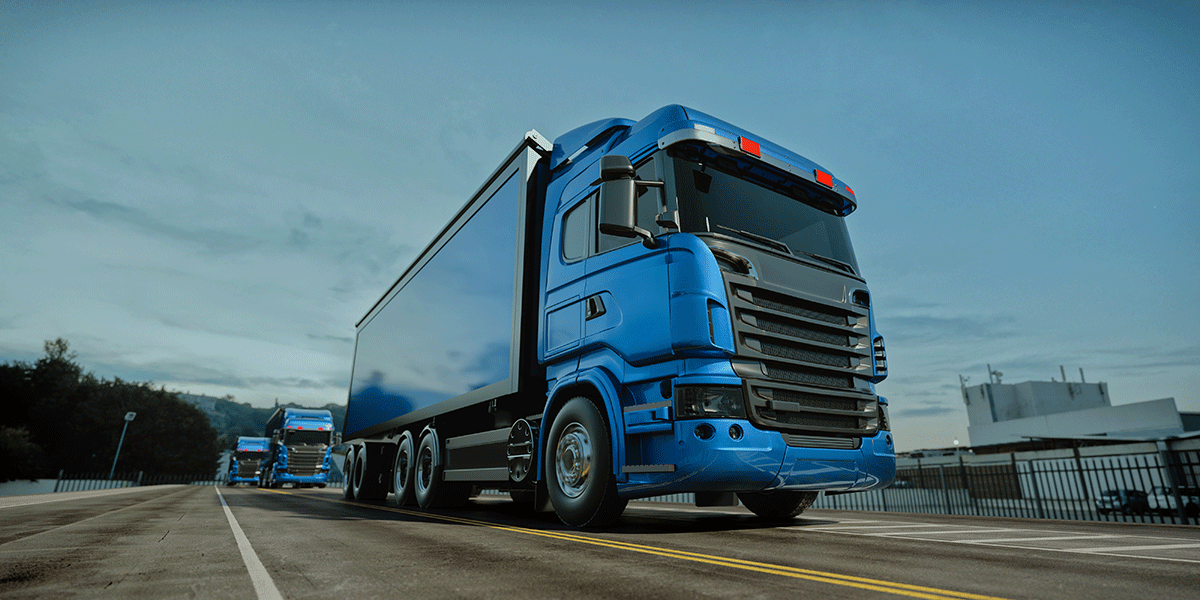
If there is one thing that trips up new and experienced carriers alike, it is the difference between interstate vs. intrastate DOT regulations. The rules that apply whether a truck crosses a state line or stays within one can vary widely, and getting them wrong can spell trouble. Although the process for securing a DOT number may be the same in either case, there are important differences between interstate and intrastate trucking regulations you need to be aware of to avoid disruptions.
Interstate and Intrastate DOT Regulations Explained
Interstate commerce means transporting goods or passengers across state lines. It also applies to routes that remain within a single state but are part of a journey that crosses state lines. For example, if a load originates in West Texas and is bound for Tennessee, but the first truck carries it only as far as Dallas, it’s considered interstate commerce even if that first truck never physically crosses a state line.
Interstate commerce also refers to trucks that briefly cross state lines during their drive between two destinations within the same state. For example, interstate commerce rules apply to a truck that crosses from Massachusetts into Rhode Island for a few miles before returning to Massachusetts, even if it never stops.
Intrastate commerce, on the other hand, means the entire trip (origin, destination, and everything in between) takes place within the same state. A produce hauler picking up tomatoes in Fresno and delivering them to a grocery warehouse in Sacramento is running intrastate.
Understanding federal and state DOT regulations is more than a technicality. Interstate vs. intrastate transportation rules determine which agency regulates the operation, which safety standards apply, and what licensing and registration requirements are applicable.
Do Trucks Have To Follow Federal or State Rules?
As mentioned, the main difference between interstate and intrastate DOT regulations is who oversees them. Interstate operations fall under federal oversight; the Federal Motor Carrier Safety Administration (FMCSA) established the regulations that carriers must comply with. These cover everything from service-hour limits and driver qualifications to vehicle inspections and drug testing programs.
Intrastate operations are a different story. Each state has its own DOT or equivalent agency that sets the rules for carriers operating within its borders. Some states closely mirror the federal regulations, making the transition between the two relatively seamless. Others have established their own requirements. That means a carrier running entirely within Ohio has a different compliance checklist than one running entirely within Montana.
However, the difference between interstate vs. intrastate DOT regulations doesn't mean in-state companies don't have to meet federal standards. Certain rules still apply, particularly to commercial driver's license (CDL) requirements and drug and alcohol testing.
Understanding DOT-Regulated Vehicle Requirements
Another important factor is determining whether a vehicle qualifies as a DOT-regulated vehicle for either interstate or intrastate operation.
Commercial vehicles are often subject to DOT compliance requirements for motor carriers based on factors such as vehicle weight and whether they carry passengers or cargo. Once a vehicle meets the applicable threshold, specific compliance requirements may apply regardless of whether the operation is interstate or intrastate. Failing to recognize when a vehicle meets regulatory standards can create compliance risks, leading to fines or operational delays.
This is why many carriers conduct regular reviews of their fleet classifications. Not every truck on the road is subject to DOT regulation. The rules apply based on the vehicle's size and purpose.
For interstate and intrastate transportation rules, a vehicle generally falls under FMCSA jurisdiction if it meets any of the following criteria:
- Gross vehicle weight rating (GVWR) or gross combination weight rating (GCWR) of 10,001 pounds or more
- Designed or used to transport 9 or more passengers (including the driver) for compensation
- Designed or used to transport 16 or more passengers, regardless of compensation
- Used to transport hazardous materials in quantities requiring placarding
States typically use the same or similar thresholds for their intrastate programs, though the exact numbers can vary.
Stay Compliant With Help From FMCA Filings
Don’t try to navigate interstate vs. intrastate DOT regulations alone. The rules are detailed, and the differences between states add another layer of confusion. For example, you may not know whether dispatchers need a DOT number to comply with transportation rules.
FMCA Filings can help. We help trucking companies handle important registration and compliance requirements with confidence. If you need help with a DOT number, filings, or other regulatory requirements, the team is standing by with the expertise to help you understand interstate vs. intrastate DOT regulations. Everything is easier with professional support, so get in touch today.